The Yoga Pose Dictionary
Project Duration/ 1 Month
Client/ Suryaside Yoga
Target Audience/ Students & Potential Customers
The Yoga Pose Dictionary is an interactive courseware designed to help beginners and intermediate practitioners master key yoga poses through clear visual guides and detailed instructions. With a focus on ease of use and interactive learning, this course allows users to explore different poses, their benefits, and step-by-step guides to performing them correctly.
Through engaging visual representations and concise descriptions, learners can deepen their understanding of each pose, improving their practice at their own pace. This courseware is ideal for those looking to enhance their yoga journey, whether they’re at home or in a studio.
My Role
As the project lead, I was responsible for the instructional design, content development, and overall user experience. I worked closely with the yoga teachers to curate and organize the content, focusing on delivering a smooth and intuitive learning experience. My role involved researching the most common yoga poses, creating clear step-by-step visual guides, and integrating interactive features to engage users actively.

Yoga Teachers from Suryaside Yoga
🧘 The Yoga Pose Dictionary 🧘
The Yoga Pose Dictionary is an interactive e-learning tool that provides users with an accessible, visual guide to mastering essential yoga poses through clear instructions and engaging illustrations.
👇 Click to explore the demo course!
For the confidentiality reason, we are only showing a part of the first course.
🎯 Analysis
-
Goal: Create a resource to help yoga beginners and intermediate learners master poses and improve their practice.
-
Learner Profile: Individuals of varying fitness levels, mostly beginners or intermediate yoga practitioners.
-
Key Challenges: Ensuring that poses were easy to understand and perform, while providing enough detail for proper form and safety.
-
Solution: An interactive and visual approach to teaching, with step-by-step instructions and feedback to help users practice safely.

I researched many yoga poses and, after discussing and practicing with a yoga instructor, created a sequence from simple to advanced.
🛠️ Design
-
Learning Objectives:
-
Correctly perform each yoga pose.
-
Understand the benefits and purpose of each pose.
-
Identify common mistakes and how to correct them.
-
-
Content Strategy:
-
Visual aids (illustrations and animations) to show each pose.
-
Interactive exercises that allow users to test their knowledge of the poses.
-
Engaging audio instructions that provide guidance while practicing.
-
-
Tone: Calm, supportive, and informative—designed to create a relaxing yet educational experience.

Many of the pages feature backgrounds of real-life yoga studios, which not only showcase professionalism but also create a sense of familiarity and comfort for the users.
🎬 Development
-
Tools Used: Articulate Storyline, Adobe Illustrator, Figma.
-
Content Creation:
-
Designed visual guides for each pose, ensuring they were both accurate and easy to follow.
-
Incorporated interactivity, allowing users to engage with the content and track their progress.
-
-
Team Collaboration: I worked closely with illustrators to develop the visual assets and with developers to ensure smooth interactivity and responsiveness.

The courseware includes up to 50 poses illustration, bringing engagement and excitement to otherwise dull content.
🚀 Implementation
-
Delivery Platform: Web
-
Rollout Strategy:
-
Piloted with a select group of yoga practitioners to gather feedback.
-
Adjustments were made based on usability testing, ensuring the course was user-friendly and effective.
-
Full launch across online platforms to reach a wide audience of yoga enthusiasts.
-
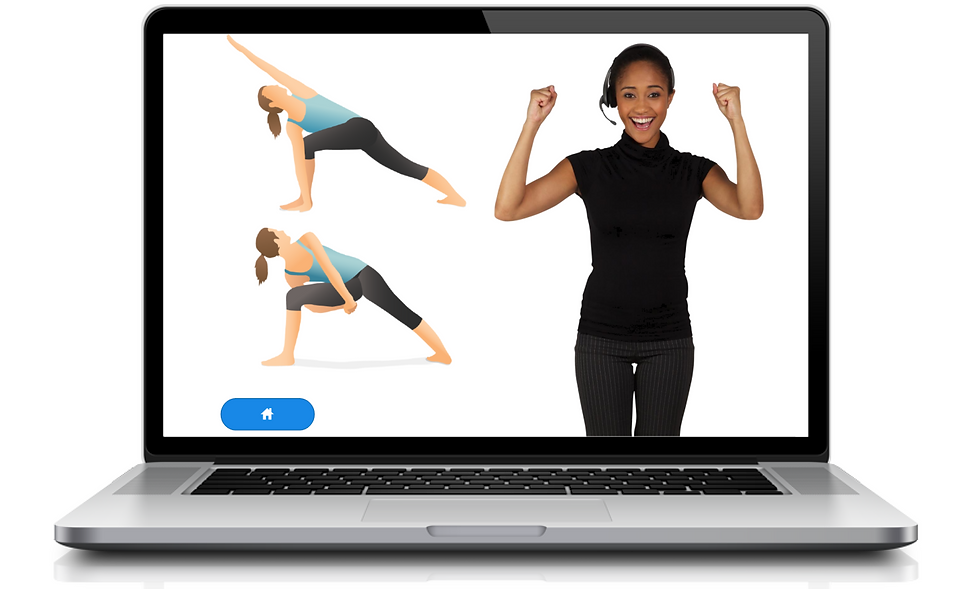
Since most learners access the course on mobile devices, we minimized small, dense text and incorporated more visuals.
📊 Evaluation
-
Formative Evaluation: Conducted user testing to ensure clarity of instructions and ease of navigation.
-
Summative Evaluation:
-
Feedback from customers and students showed improved understanding of each yoga pose.
-
Data from the course indicated high engagement levels and positive results in users' confidence to perform poses correctly.
-

We conducted a bidirectional experiment, and the results showed that learners who used our courseware significantly improved their adherence to daily workplace safety protocols.